Duration
8 Days

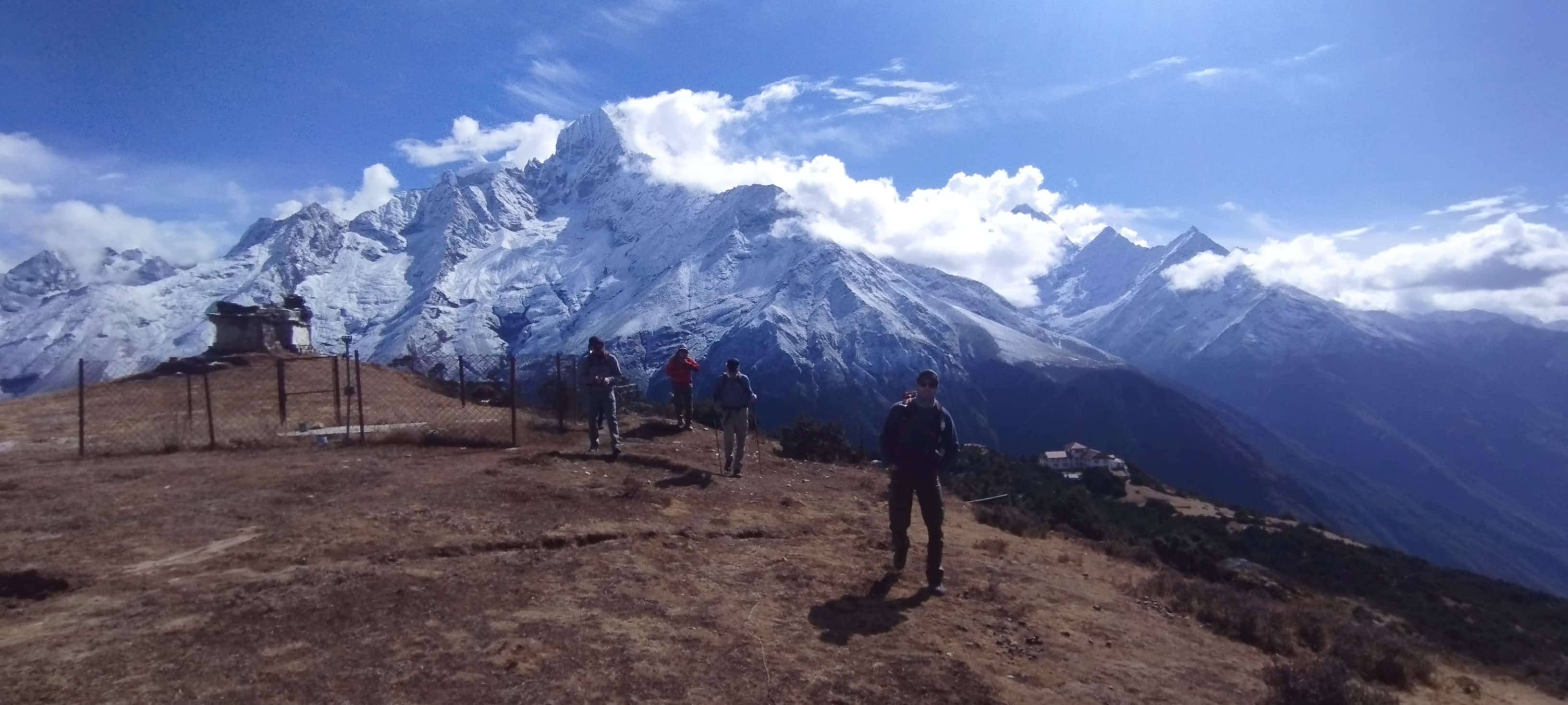
The Everest Full Picture Trek" is an incredible journey designed for trekkers who want to experience the full beauty of the Everest region. This trek takes you through lush forests, charming Sherpa villages, and rugged mountain landscapes, all while offering breathtaking views of the world’s tallest mountain, Mount Everest. It’s perfect for those who are eager to explore the Himalayas in depth.
The trek begins with a scenic flight from Manthali to Lukla, where you’ll start your adventure. As you walk through the Everest region, you’ll pass through Sherpa settlements like Namche Bazaar, Likla, and Phakding. Along the way, you’ll encounter incredible views of the surrounding peaks, including Lhotse, Ama Dablam, and of course, Everest itself.
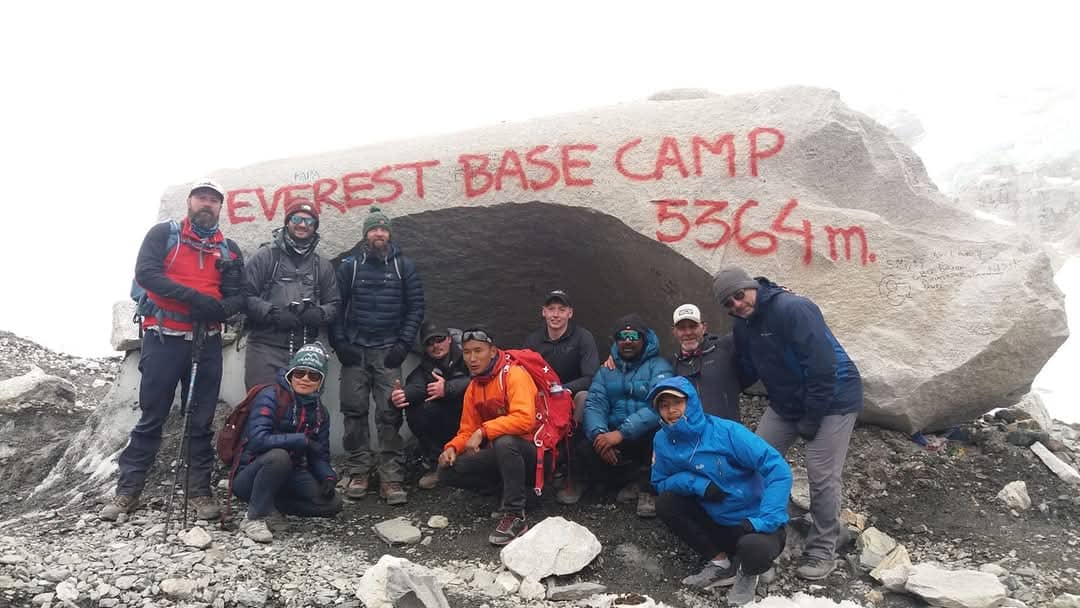
One of the highlights of the "Everest Full Picture Trek" is the opportunity to visit Everest Base Camp, where you’ll stand in awe of the towering mountain and feel the majesty of the Himalayas all around you. The trek also includes visits to monasteries and the famous Khumbu Glacier, giving you a chance to learn about the local culture and spirituality of the region.
Throughout the trek, you’ll be guided by experienced professionals who are familiar with the terrain and local culture. The trek is moderate to challenging, so it’s best suited for those who have some trekking experience and a good level of fitness. The "Everest Full Picture Trek" offers the chance to immerse yourself in the natural beauty and culture of the Everest region while creating memories that will last a lifetime.
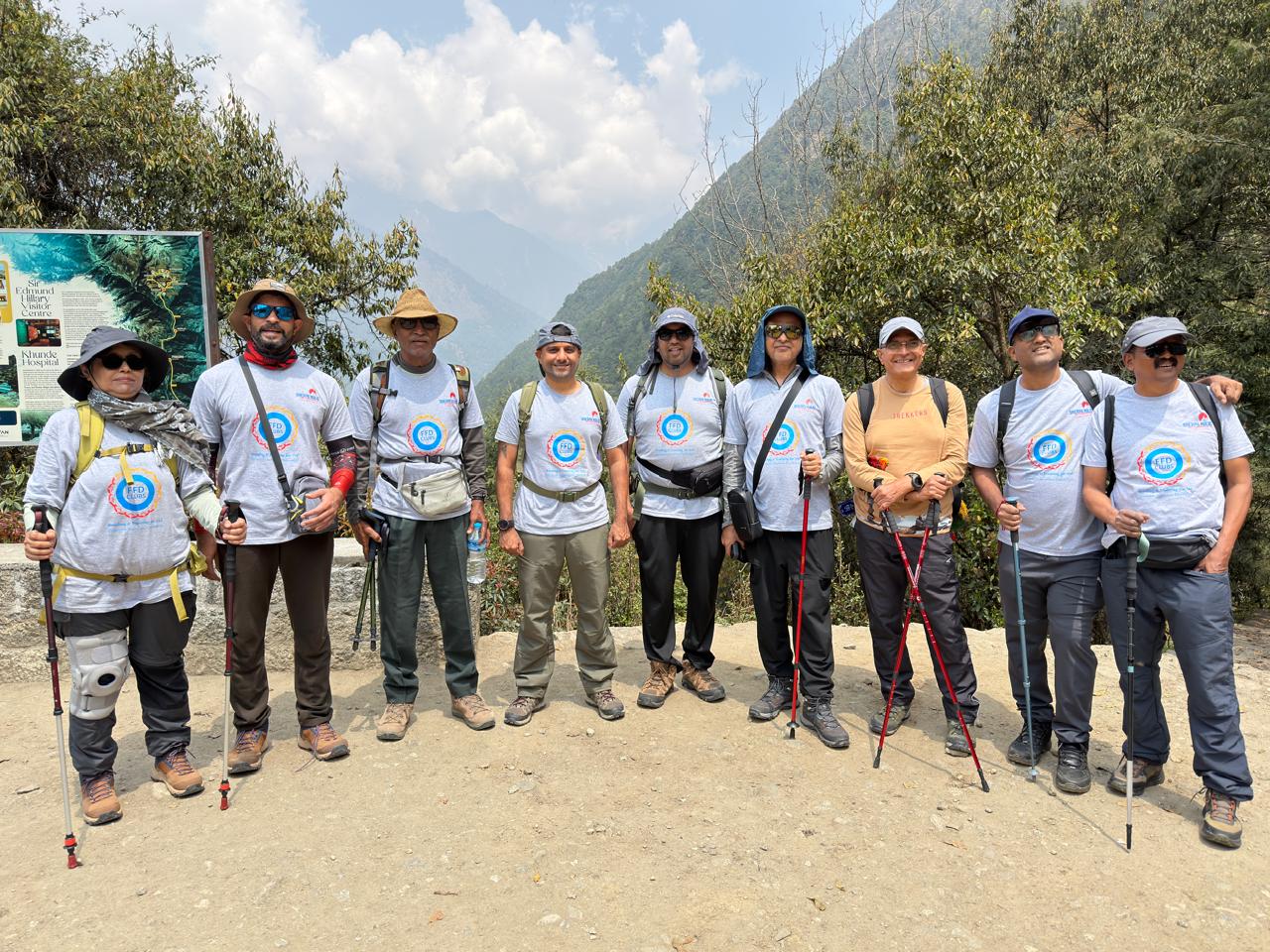
SherpaHolic Treks And Expeditions is more than just a trekking company it’s a team led by passionate, experienced Sherpa professionals who were born in the heart of the Himalayas. Here’s why adventurers from around the world trust us:
Led by Real Mountain Experts: Our team, including award-winning trekking leader Nurbu Sherpa and founder as well Sherpa, have deep roots in the Himalayas and years of hands-on guiding experience.
Safety First, Always: Your safety is our top priority. We follow strict safety protocols, carry essential gear, and ensure all staff are trained in first aid and high-altitude response.
Authentic Local Experience: As a locally run company, we offer you a genuine cultural journey not just a trek. You’ll meet local people, experience Sherpa traditions, and feel the soul of the mountains.
Custom Itineraries with Fair Prices: Whether you're looking for a challenging expedition or a peaceful trek we customize your adventure to fit your time, budget, and goals all without compromising on service.
Sustainable and Responsible: Tourism We care deeply about preserving the Himalayas. We support local communities, minimize our environmental impact, and promote ethical trekking practices.
Trusted by Trekkers Worldwide: Our guests return with smiles, stories, and unforgettable memories. Many recommend us to friends and family a true sign of trust.
On the first day of your "Everest Full Picture Trek you arrive in Kathmandu, the capital of Nepal. When you land, you’ll be greeted by your trek guide, who will help you with everything you need. Kathmandu is a busy city, full of life, colorful markets, and beautiful temples After you settle into your hotel, you can take some time to rest from your flight. You might also want to explore the city a little, visiting places like the famous Swayambhunath Stupa (also known as the Monkey Temple) or the old square called Durbar Square. Both places are full of history and offer a chance to see how special Nepal’s culture is Your guide will give you an important briefing about the trek. You’ll learn more about what to expect, what to bring, and how to stay safe while trekking in the mountains. The rest of the day is yours to relax, enjoy the sights of Kathmandu, and get ready for the adventure ahead. By the end of the day, you’ll be excited to start your trek the next morning.
On Day 2 you’ll start your journey by driving to Manthali, a small town located in the Ramechhap District. The drive takes around 7 to 8 hours, so it’s a long but interesting day. During the drive, you’ll pass through beautiful countryside, small villages, and green hills. You will see life in rural Nepal, with people working on farms, carrying goods, and children playing.
Manthali is a quieter place compared to Kathmandu, and it serves as the starting point for flights to Lukla, the gateway to the Everest region. Once you arrive in Manthali, you can relax and enjoy the peaceful atmosphere. Your guide will check the flight details for the next day, ensuring everything is set for your flight to Lukla You can spend the evening resting at a local guesthouse, preparing for your early flight the next morning. It’s a good time to get to know your fellow trekkers, chat about the exciting days ahead, and enjoy the fresh mountain air. By the end of the day, you’ll feel ready for the adventure that’s about to begin.
On Day 3 you’ll wake up early for your flight to Lukla, a small mountain town in the Everest region. The flight is exciting as you get to see the beautiful mountains from the air. When you land in Lukla, you’ll be at an altitude of around 2,860 meters, and the air will be thinner, so you might feel a bit of a change in the air After arriving in Lukla, you’ll start your trek to Phakding, a small village where you will spend the night. The trail is mostly downhill and follows a beautiful river. You will pass through forests of pine trees and cross some small wooden bridges over streams. Along the way, you’ll see the first views of the snow-capped mountains, which will make you excited for the adventure ahead The walk to Phakding takes around 3 to 4 hours, and when you arrive, you can relax in a comfortable lodge. The village is peaceful, and you’ll feel the calm mountain atmosphere. You will have some time to rest, enjoy the views, and get ready for the next day’s journey. The day is a perfect start to your trek in the Everest region.
On Day 4 you’ll begin your trek from Phakding to Namche Bazaar, a lively Sherpa town and an important stop on the Everest trail. The trek is a bit more challenging because it involves a steady uphill climb. The trail follows the Dudh Koshi River and crosses several suspension bridges, offering great views of the surrounding mountains and forests As you walk, you’ll pass through small villages, see colorful prayer flags fluttering in the wind, and hear the sound of rushing water from the river below. You might also spot yaks and donkeys carrying goods along the path. The trek will take around 6 to 7 hours, and as you get higher, you may start to feel the altitude a little, so it’s important to take your time and rest when needed Once you reach Namche, you’ll be at an altitude of 3,440 meters. Namche is a busy village, full of shops, tea houses, and guesthouses. It’s also a great place to acclimatize to the higher altitude, as you’ll spend a night here to help your body adjust. In the evening, you can relax, enjoy some local food, and take in the views of the surrounding mountains like Everest and Lhotse.
Day 5 is an acclimatization day in Namche. This means you’ll take a break from trekking long distances to help your body adjust to the higher altitude. To make the most of the day, you’ll go on a short hike to the Everest Viewpoint From Namche, the hike to the viewpoint takes around 3 to 4 hours. The trail is a bit steep, but as you walk, you’ll get closer to the majestic snow-capped peaks. The Everest Viewpoint offers stunning views of Mount Everest, Lhotse, and Ama Dablam. It’s a great spot to take pictures and enjoy the beauty of the Himalayas After spending some time at the viewpoint, you’ll head back to Namche. The hike down is easier and takes less time. Once you return to Namche, you can relax at your guesthouse and enjoy the views of the mountains. This day helps you get used to the altitude, so it’s important to stay slow and steady. It’s also a great chance to explore Namche a little more, visiting local shops or cafes. By the end of the day, you’ll be ready to continue your trek toward the next part of your journey.
On Day 6 you’ll start your journey back toward Lukla. After spending a few days in the higher areas, it’s time to head down the trail. The trek from Namche to Lukla will take around 7 to 8 hours, and it’s mostly downhill, which makes it easier than some of the previous days As you walk, you’ll pass through the same beautiful forests, cross suspension bridges, and walk along the Dudh Koshi River. The views of the mountains will still be incredible, and you may see yaks or donkeys carrying supplies along the way.
Once you arrive in Lukla, you’ll be at a lower altitude, which will help you feel more relaxed after a few days at higher elevations. In Lukla, you can enjoy a comfortable rest at a guesthouse, knowing that you’ve completed a big part of your Everest trek.
This day marks the end of your trekking journey, and you’ll have time to reflect on the amazing experiences and beautiful landscapes you’ve seen. You can relax in Lukla and look forward to your return flight to Kathmandu the next day. The trek may be over, but the memories of the Himalayas will stay with you.
On Day 7 you’ll wake up early for your flight from Lukla back to Manthali. The flight back is short, but it offers a final chance to see the beautiful mountains from above. When you land in Manthali, you’ll feel happy that you’ve completed your trek in the Everest region After arriving in Manthali, you’ll take a drive back to Kathmandu. The drive is long, around 7 to 8 hours, but it gives you a chance to relax and enjoy the countryside. You will pass through small villages, green hills, and rivers, taking in the natural beauty of Nepal one last time Once you reach Kathmandu, you’ll be back in the busy city, where you can unwind after your adventure in the mountains. You can spend the evening relaxing at your hotel or exploring the city if you have time. This day is a peaceful way to end your trek, and you’ll feel proud of everything you’ve experienced. You’ll have plenty of stories to share with your friends and family about your incredible journey in the Everest region.
On Day 8 it’s time to say goodbye to Nepal after your amazing trek. You’ll have the morning free to relax or do any last-minute shopping in Kathmandu. You might want to visit a temple or take a walk around the city to soak in the last views of this beautiful place If you have time, you can explore some of the popular spots in Kathmandu, like Thamel, where you can buy souvenirs or enjoy a nice meal. If you need help with your flight details or have any final questions, your guide will assist you.
After wards, your driver will take you to the airport. It’s a bittersweet moment because you’ll be leaving the mountains behind but taking home wonderful memories. As you board your flight, you’ll remember all the breathtaking views of the Everest region, the people you met, and the adventure you had This marks the end of your “Everest Full Picture Trek” journey. You’ll leave Nepal with a sense of accomplishment and a heart full of unforgettable experiences. Whether you’re heading home or traveling to another destination, you’ll carry the memories of your trek for a lifetime
Tipping is not customary in Nepal. It is entirely optional, never expected, and should only be offered if you are genuinely happy with the service provided.
At SherpaHolic Treks And Expeditions, we ensure that all our guides, porters, and support staff receive fair wages, along with insurance, meals, accommodation, and the necessary equipment. Therefore, tipping is never an obligation.
Optional Tipping Guideline
If you would like to show your appreciation, the following amounts are considered reasonable guidelines:
* Trekking Leader: USD 9–10 per day, per client
* Assistant Guide: USD 6–7 per day, per client
* Porter / Support Staff: USD 5–6 per day, per client
Tips are generally presented at the end of the trek. They may be given directly to the individual staff members or collected and presented on behalf of the group.
Above all, tipping should always reflect your personal satisfaction with the service and remain a voluntary gesture of appreciation.
The reason Lukla flights are primarily operated from Manthali (Ramechhap Airport) instead of directly from Kathmandu (Tribhuvan International Airport – TIA) is due to a strategic decision by the Civil Aviation Authority of Nepal (CAAN) to manage air traffic congestion at TIA, especially during the peak trekking seasons.
TIA is Nepal's only international airport and serves as the main hub for both international and domestic flights. During the peak trekking seasons (Spring: March–May and Autumn: September–November), the number of trekkers flying to Lukla increases significantly.
This high volume of Lukla flights, combined with regular international and domestic traffic, creates immense pressure and congestion on TIA's single runway and limited airspace.As a result, congestion leads to longer waiting times, flight delays, and increased unpredictability for all flights, including those to Lukla.
Manthali Airport is significantly closer to Lukla than Kathmandu. The flight from Manthali to Lukla takes only about 15–20 minutes, compared to 30–35 minutes from Kathmandu.
This shorter flight duration allows airlines to complete more round trips to Lukla within the limited weather windows typical of the mountainous region. In essence, one round trip from Kathmandu to Lukla is roughly equivalent to two round trips from Manthali.
This increased efficiency helps transport more trekkers and supplies to Lukla within a shorter period.
Manthali Airport experiences much less air traffic than Kathmandu. This results in fewer delays caused by runway availability, aircraft queuing, and air traffic control restrictions.
While Lukla's weather remains the most unpredictable factor, flights from Manthali generally experience fewer airport-related delays, leading to a more reliable and predictable schedule.
While Lukla's weather is inherently unpredictable, Manthali, being at a lower altitude, generally experiences more stable and less severe weather conditions than Kathmandu, which can occasionally be affected by fog that does not reach Manthali. This contributes to better on-time performance for the Manthali–Lukla route.
Although this arrangement adds a 4–5-hour ground transfer from Kathmandu to Manthali for travelers, it is considered a necessary measure by the authorities to manage the high demand for Everest region treks and ensure smoother air operations.
Direct flights from Kathmandu to Lukla are generally available only during the off-peak trekking seasons, when air traffic at Tribhuvan International Airport is lower.